
Get Utility Trenching in Bainbridge Island, WA
Utility trenching services for Bainbridge Island property owners involve skilled local contractors excavating and installing underground lines for utilities like water, gas, and electrical systems.
Property owners on Bainbridge Island, WA, considering utility trenching understand the importance of thorough planning to ensure their projects proceed smoothly. Whether installing new electrical lines, water pipes, or communication cables, choosing experienced local contractors can help navigate the unique landscape and infrastructure considerations of the area. Exploring options and comparing service providers can lead to well-informed decisions that align with specific property needs and project goals.
For those seeking reliable trenching services, connecting with qualified local service providers is a practical step toward achieving efficient and effective results. By evaluating different contractors, property owners can find experienced professionals familiar with Bainbridge Island’s local conditions, ensuring the work is handled with expertise. Keep reading to discover how to identify reputable trenching specialists in the area and make the best choice for your project.
- Utility trenching services are needed when installing or repairing underground utilities such as water, gas, or electrical lines in neighborhoods like Bainbridge Island, WA.
- When upgrading infrastructure in residential areas, local contractors can handle trenching to accommodate new utility connections.
- For projects involving the installation of fiber optic or cable lines in urban or suburban settings, professional trenching ensures proper placement.
- Utility trenching is essential when replacing outdated pipes or cables beneath driveways, sidewalks, or landscaped areas.
- In preparation for new construction or renovations, service providers can excavate trenches to lay necessary utility lines efficiently.
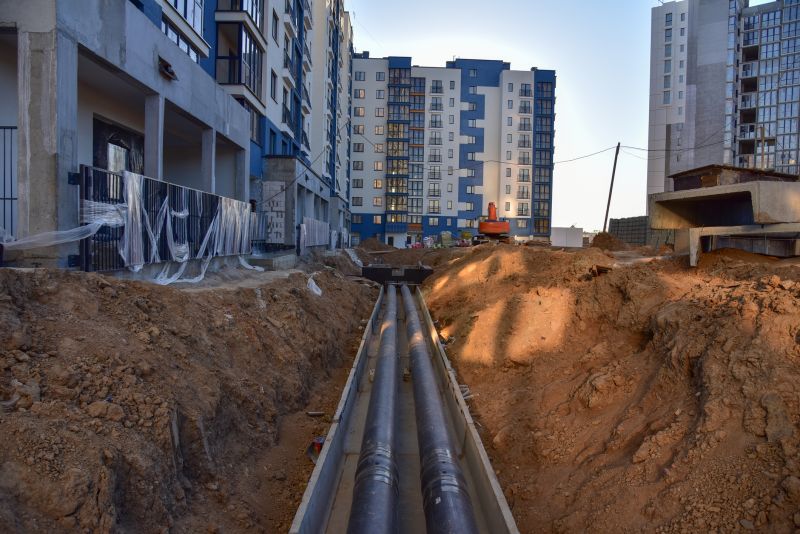
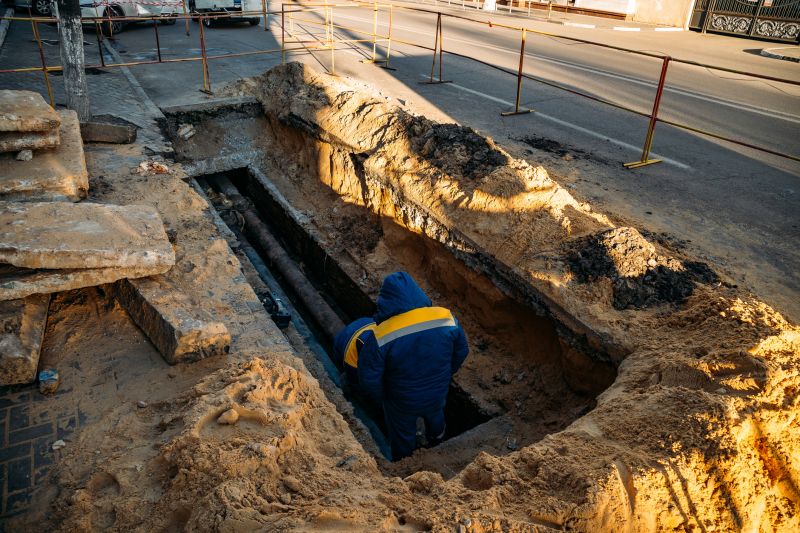
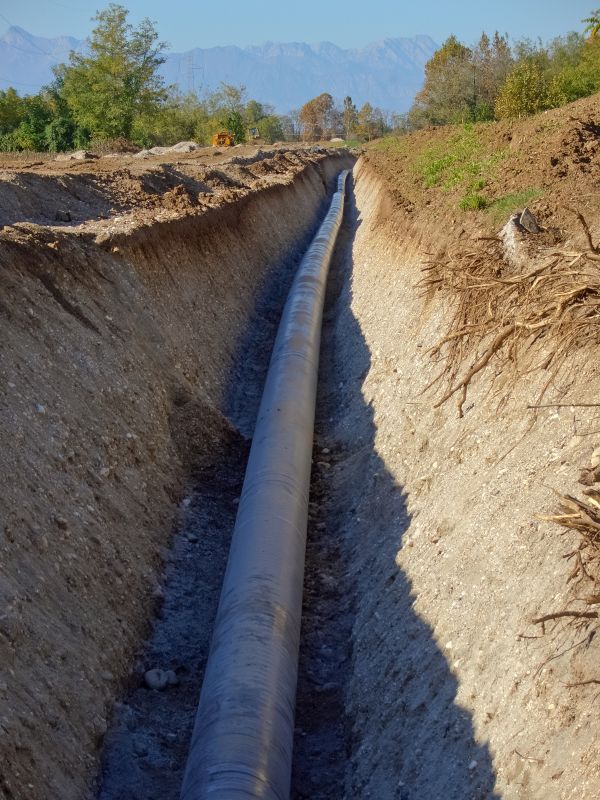
Utility trenching services involve excavating narrow, deep channels in the ground to lay down essential underground utilities such as electrical wiring, water lines, gas pipes, and communication cables. This process typically requires careful planning to ensure that the trenches are dug at the correct depth and width, minimizing disruption to the property while providing a safe pathway for utility installation. Once the trenches are excavated, the service providers will install or repair the necessary lines before backfilling and restoring the surface. This work is often performed with specialized equipment to ensure precision and efficiency, especially in tight or challenging spaces.
These services help address common problems related to outdated or damaged utility lines, the need for new connections, or property upgrades. For example, homeowners installing a new irrigation system, adding outdoor lighting, or upgrading electrical wiring often require trenching to facilitate the installation of underground lines. Utility trenching also plays a crucial role in resolving issues caused by shifting or deteriorating pipes and cables, reducing the risk of leaks, outages, or other disruptions. By creating a protected pathway for utilities, trenching helps prevent future damage and ensures that systems remain functional and safe.
Properties that typically utilize utility trenching include residential homes, especially those undergoing renovations or expansions, as well as commercial properties with extensive outdoor infrastructure needs. Single-family residences often require trenching for installing new water or electrical lines when connecting to municipal services or upgrading existing systems. Larger properties, such as apartment complexes, retail centers, or industrial sites, may need trenching for complex utility networks, including multiple lines and larger-scale installations. Regardless of property size, trenching is essential whenever underground utility lines need to be installed, repaired, or replaced.
Homeowners who notice issues like frequent outages, low water pressure, or outdated wiring may find utility trenching services necessary to resolve these problems. Additionally, those planning outdoor projects such as fencing, landscaping, or additions should consider trenching to ensure utilities are properly integrated and protected. Local contractors can assess the property’s specific needs, determine the best trenching approach, and handle the work efficiently. Contacting experienced service providers can help ensure that utility installation or repair is completed correctly, reducing the risk of future issues and supporting the property’s ongoing functionality.
The overview below groups typical Utility Trenching projects into broad ranges so you can see how smaller, mid-sized, and larger jobs often compare in Bainbridge Island, WA.
In many markets, a large share of routine jobs stays in the lower and middle ranges, while only a smaller percentage of projects moves into the highest bands when the work is more complex or site conditions are harder than average.
Smaller Repairs - Typical costs for minor utility trenching projects, such as replacing a section of underground wiring or pipes, usually range from $250-$600. Many routine jobs fall within this middle range, depending on the length and depth of the trench needed.
Standard Installations - For standard utility trenching services like installing new lines or connecting to existing infrastructure, local contractors often charge between $1,000 and $3,000. Larger or more complex projects can push costs higher, but most jobs stay within this range.
Full Replacement or Extensive Work - Larger, more comprehensive trenching projects, such as complete utility line replacements or extensive underground work, can typically cost $3,500-$8,000 or more. Many projects in this category are less common and tend to be on the higher end of the spectrum.
Complex or Custom Projects - Highly complex trenching jobs involving difficult terrain, deep excavation, or specialized equipment can exceed $10,000. These projects are less frequent but represent the upper tier of typical costs for large-scale utility work.
Actual totals will depend on details like access to the work area, the scope of the project, and the materials selected, so use these as general starting points rather than exact figures.
Underground Cable Installation - local contractors often perform trenching to lay electrical, communication, and data cables safely beneath the ground surface.
Drainage System Excavation - trenching skills are used to install or repair underground drainage pipes for proper water management around properties.
Foundation and Footing Excavation - similar planning and trenching techniques are essential for preparing foundations and footings for new structures.
Water Line and Sewer Pipe Installation - trenching services are vital for installing or replacing underground water and sewer lines efficiently.
Gas Line Installation - local service providers utilize trenching expertise to safely lay underground gas pipelines for residential or commercial needs.
Fiber Optic Cable Deployment - trenching is often required to install high-speed fiber optic cables for reliable internet connectivity.
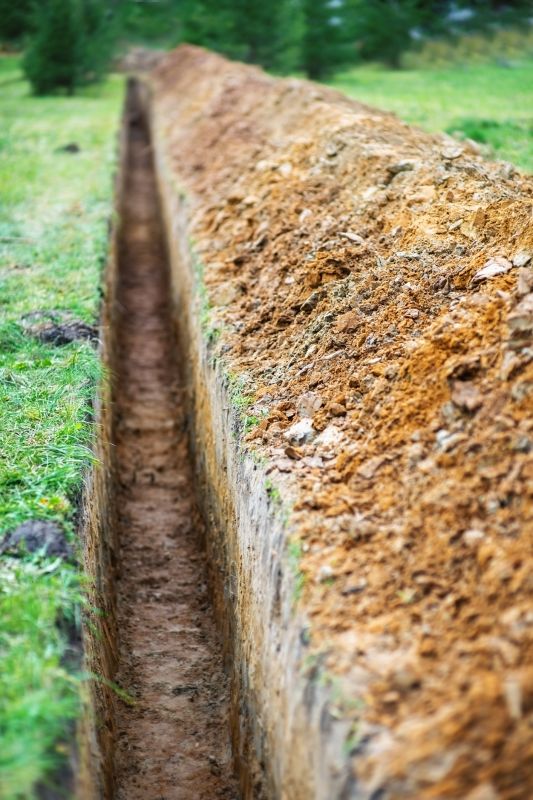
When evaluating contractors for utility trenching projects, it’s important to consider their experience with similar types of work. Homeowners should look for service providers who have a proven track record handling projects comparable in scope and complexity. This can help ensure that the contractor understands the unique challenges of trenching in the specific area, such as soil conditions or existing underground utilities. Asking for examples of past projects or references from previous clients can provide valuable insight into their expertise and reliability.
Clear, written expectations are essential for a successful trenching project. Homeowners should seek out contractors who can provide detailed descriptions of the work scope, including the methods they plan to use, the materials involved, and any site preparation or cleanup procedures. Having this information in writing helps prevent misunderstandings and ensures that both parties are aligned on the project’s goals. It’s also beneficial to clarify timelines and responsibilities upfront, creating a foundation for smooth communication throughout the project.
Effective communication and reputable references are key indicators of a dependable service provider. Homeowners should prioritize contractors who are responsive, transparent, and willing to address questions or concerns promptly. Reputable references or reviews can offer reassurance about the contractor’s professionalism and quality of work. While the site introduces homeowners to local options, it’s up to the homeowner to reach out, gather information, and compare how each contractor communicates and presents their experience. This approach helps identify the best fit for the project’s specific needs and ensures a smooth working relationship from start to finish.
Property owners in Bainbridge Island, WA use Utility Trenching services for practical projects around their homes and businesses. This guide focuses on everyday jobs and straightforward project options.
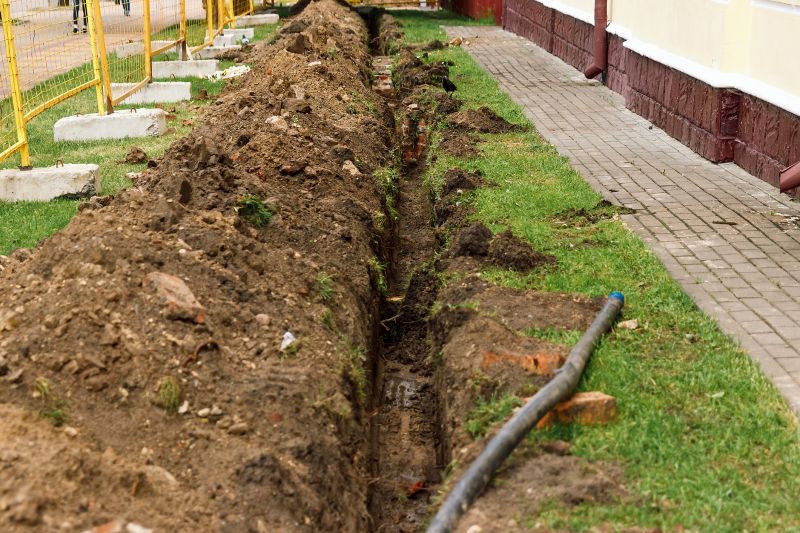
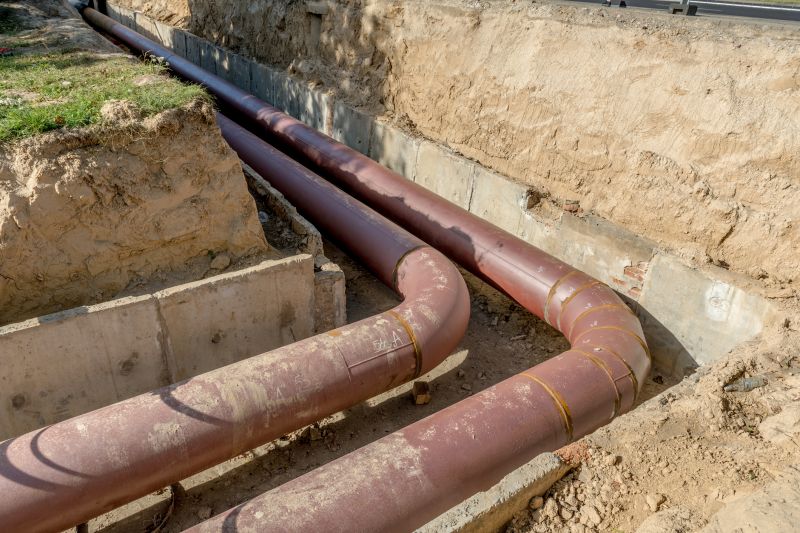
Utility trenching services are often needed for property owners on Bainbridge Island when installing or upgrading essential underground systems. Whether it's laying new electrical lines for outdoor lighting, running water or sewer pipes, or setting up underground wiring for home renovations, local contractors can handle these tasks efficiently. These projects typically arise during home improvements, new construction, or when repairing existing utility connections that have been damaged or become outdated.
Property owners might seek trenching work to prepare for landscaping projects, install irrigation systems, or connect additional structures to existing utilities. Trenching is also a common step when upgrading electrical or communication lines to meet current standards or improve service reliability. Local service providers can assess the site, dig precise trenches, and ensure that underground utilities are installed safely and correctly to support everyday needs around the property.
What is utility trenching? Utility trenching involves excavating a narrow channel in the ground to install or repair underground utility lines such as water, gas, electrical, or communication cables.
Why might a property need utility trenching services? Property owners may require trenching to lay new utility lines, upgrade existing infrastructure, or repair damaged underground connections.
What types of utility lines are typically installed through trenching? Common lines include electrical wiring, water pipes, gas lines, and communication cables like internet or phone lines.
How do local contractors ensure proper trenching for utilities? Experienced service providers use specialized equipment and techniques to create precise trenches that meet safety and code requirements.
Is utility trenching suitable for all types of properties? Utility trenching can be performed on various property types, including residential, commercial, and industrial sites, depending on specific project needs.
Underground wiring installation - Property owners can use trenching services to safely lay electrical or communication cables for outdoor lighting, security systems, or landscaping projects.
Water line and sewer pipe installation - Trenching helps in installing or repairing water and sewer lines to ensure proper plumbing connections across the property.
Irrigation system setup - Local contractors can trench for sprinkler lines and irrigation components to maintain healthy lawns and gardens.
Utility upgrades and expansions - Trenching services support the addition of new utility lines when expanding or upgrading existing infrastructure around the property.
If you are thinking about Utility Trenching for a property in Bainbridge Island, WA, this guide is meant to help you understand the work, the typical project types, and how different options might fit your plans.
When you are ready, you can use the quote form on this page to share a few details about your project. From there, local pros can review the basics and respond with options that match what you have in mind.